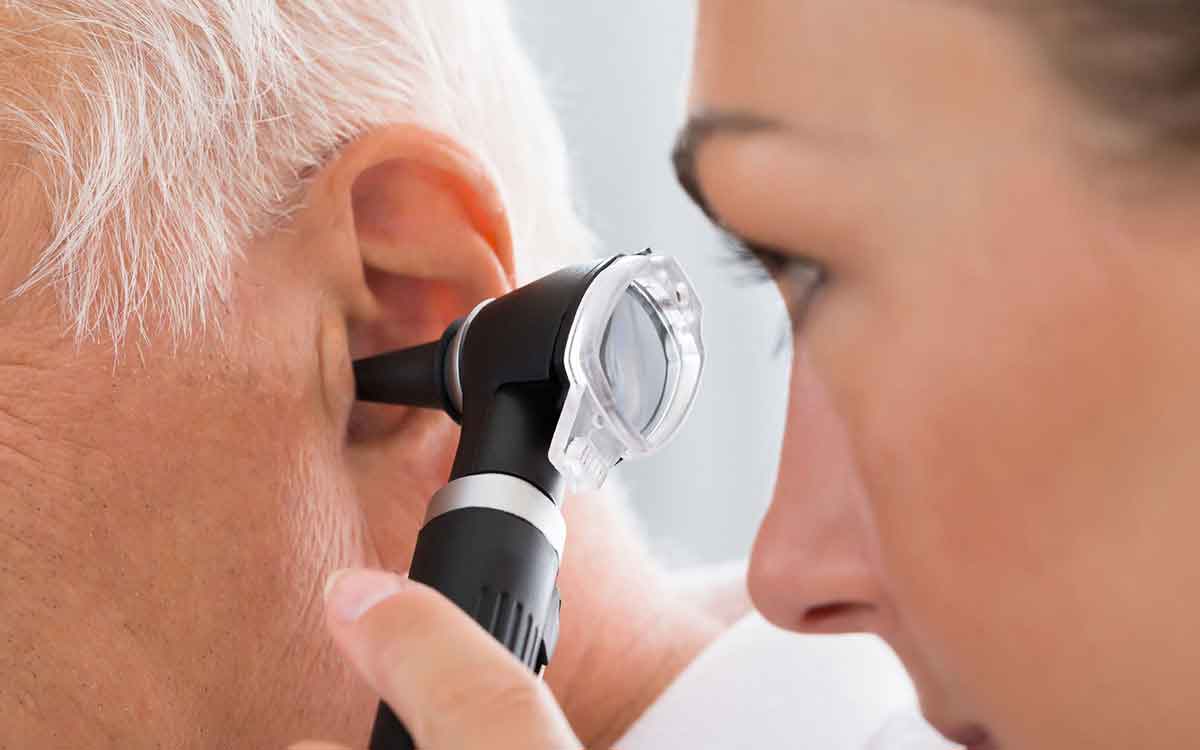
Because hearing loss typically advances slowly, early indicators frequently go unrecognized by the individual. It is common for people to adjust to hearing shifts by elevating device volume and avoiding social situations with significant background noise.
However, recognizing the early symptoms of hearing decline is fundamental for effective intervention.
Recognizing Typical Early-Stage Hearing Loss Symptoms
If you identify any of these indicators, we suggest arranging an audiological evaluation to determine your status.
- Difficulty comprehending speech, especially in loud areas with a lot of activity.
- Frequently requesting others to clarify their statements.
- Hearing indistinct vocal communication where sounds lack definition.
- Turning up the volume on the television and mobile devices to levels that others find excessive.
- Reduced sensitivity to high-pitched stimuli such as bird songs or household alerts.
- Persistent ear ringing or humming associated with tinnitus.
- Mental drain after social events resulting from persistent listening effort.
- Retreating from group interactions as conversational tracking becomes difficult.
Preliminary indicators of auditory decline might manifest in either one or both ears and fluctuate in frequency initially. Due to the brain’s ability to adjust, many patients remain unaware of their subconscious adaptations until the impairment advances.
Statistical Overview of Global Auditory Health
Projection by the World Health Organization suggests that a vast population will need clinical hearing support by mid-century. Other relevant statistics involve:
- By 2050, approximately 2.5 billion people are expected to experience various levels of hearing loss.
- Over 5% of the world’s population (430 million people) necessitates support to address disabling hearing loss.
- In excess of 1 billion young adults face the threat of permanent hearing loss resulting from hazardous acoustic habits.
- Among those aged 60 and older, more than one-quarter have disabling hearing loss.
Why Timely Auditory Assessment Matters
Overlooking auditory shifts can have systemic health consequences that are frequently overlooked.
Clinical research associates hearing loss with increased risks of withdrawal, depression, impairment, and equilibrium problems.
Managing symptoms at the onset facilitates more treatment options and better long-term outcomes.
A hearing evaluation can determine whether changes are due to age-related hearing loss, acoustic trauma, earwax buildup, infection, or underlying pathology.
Under certain conditions, hearing changes are transient and reversible.
In addition, utilizing protective measures or hearing technology early can slow the advancement of hearing loss.
When to See a Hearing Specialist
You should consider arranging a hearing assessment if:
- Symptoms persist for more than a brief period.
- Difficulty hearing starts to impact professional tasks or personal routines.
- If you encounter acute auditory decline, dizziness, or chronic ear ringing (which requires immediate attention).
Assessments for hearing are noninvasive procedures, yielding essential information regarding your physiological hearing status.
We encourage you to contact our facility if you feel a hearing assessment would be advantageous.
FAQ: Early Signs of Hearing Loss
Question: Does hearing loss only occur with aging?
A: No, while aging is a factor, hearing loss can be precipitated by acoustic trauma, infection, or systemic health issues.
Question: Is it possible to restore lost hearing?
Answer: Certain etiologies, such as earwax impaction or localized infection, are treatable. Other types are permanent but can often be effectively managed with treatment or hearing devices.
Q: How often should hearing be checked?
A: A baseline screening is advised by age 50, or sooner if clinical symptoms manifest.
