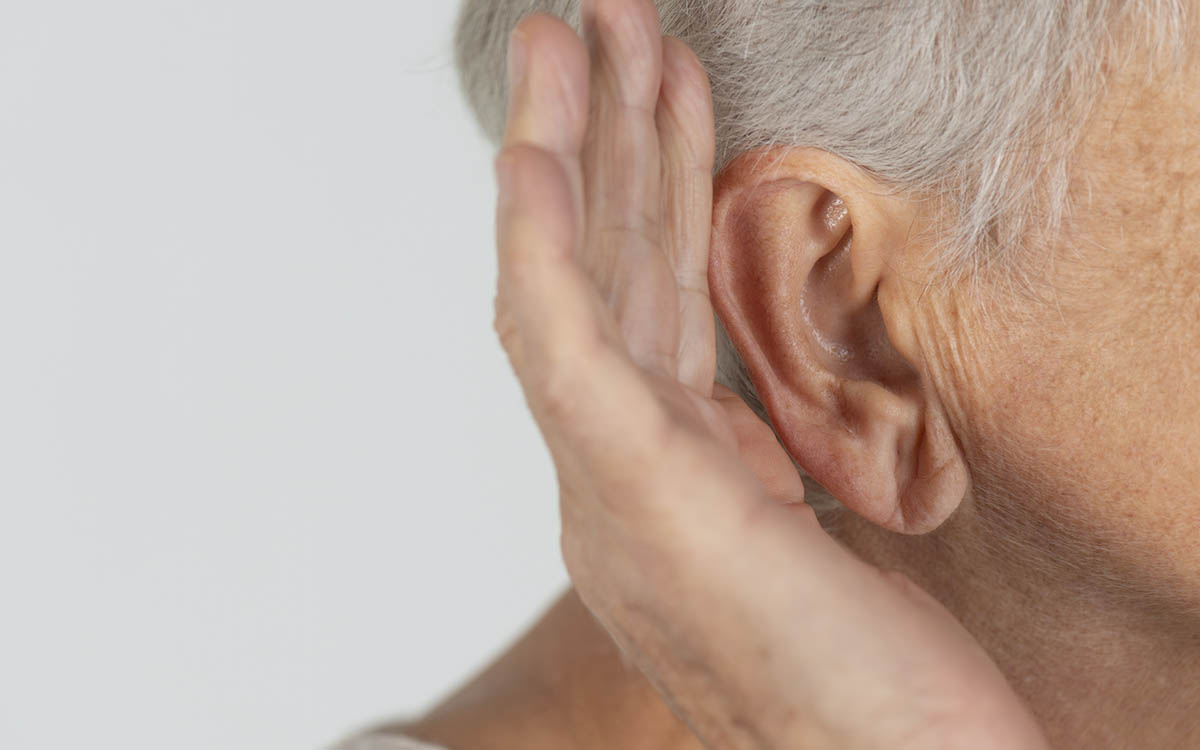
Public perception frequently ties hearing loss to the aging process, however, for millions in the U.S., hearing damage begins much sooner. Noise-induced hearing loss is one of the most common and preventable forms of damage to our hearing, remaining undetected until the damage is irreversible.
Grasping the longitudinal impact of sound exposure on the auditory system is essential for implementing safeguards before major hearing loss develops.
The Clinical Mechanisms of Sound-Induced Auditory Trauma
Noise-induced hearing loss is characterized by the degradation of intricate inner ear components. According to the Centers for Disease Control and Prevention, acoustic levels surpassing 85 decibels can induce ear damage following repeated or lengthy exposure. Intense noise sources, specifically firearms or industrial tools, can compromise hearing integrity within a very brief timeframe.
The inner ear contains microscopic sensory receptors known as hair cells. These receptors facilitate the conversion of acoustic vibrations into electrical signals decoded by the brain. The inability of hair cells to regenerate after trauma explains why noise-induced hearing loss results in a permanent auditory deficit.
How Ear Injury Accumulates Over Time
A primary clinical concern regarding noise-induced hearing loss is its typically slow rate of progression. Early-stage symptoms resulting from noise exposure often include:
- Temporary ringing or buzzing in the ears (Tinnitus)
- Subjective hearing attenuation or muffling after high-decibel events
- Reduced ability to distinguish vocal communication in loud surroundings
While these preliminary indicators may dissipate, this should not be mistaken for complete physiological recovery. In fact, chronic noise exposure causes ongoing trauma to inner-ear anatomy, slowly reducing hearing clarity and sensitivity over time.
Statistics from the HLAA suggest that 48 million Americans have some form of hearing loss, often without recognizing the contributing factors.
Routine Sounds That Can Cause Auditory Injury
In our modern environment, individuals often develop a tolerance or desensitization to high-volume sounds. For this reason, many people are surprised to learn how common harmful noise exposure is.
Identified hazardous sources may include:
- Concert settings and loud musical performances
- Headphones played at high volumes
- Industrial tools, lawn maintenance equipment, and motorcycles
- Occupational noise exposure within the construction or manufacturing sectors
The everyday occurrence of these sounds allows for progressive damage to develop without obvious warning.
The Reason Auditory Prophylaxis Remain a Critical Priority
Noise-induced hearing loss is physiologically irreversible, unlike many other health impairments. The condition is, however, susceptible to effective preventative strategies. Simple protective habits can significantly reduce risk, including:
- Utilizing hearing protection devices like earplugs in noisy settings
- Lowering headphone volume and following the “60/60 rule”
- Scheduled breaks from noise to facilitate ear recovery time
- Scheduling regular hearing evaluations if you’re frequently exposed to loud noise
Indicators to Seek Clinical Audiology Services
If you notice persistent ear ringing, difficulty following conversations, or changes in hearing clarity, you should seek evaluation from a hearing professional. Prompt clinical evaluation is vital for tracking auditory status and formulating effective hearing preservation plans.
Protecting your ears today helps ensure clearer hearing tomorrow. While environmental noise is often inevitable, hearing loss is a preventable outcome. Please contact our clinic to arrange a professional consultation regarding your auditory health.
