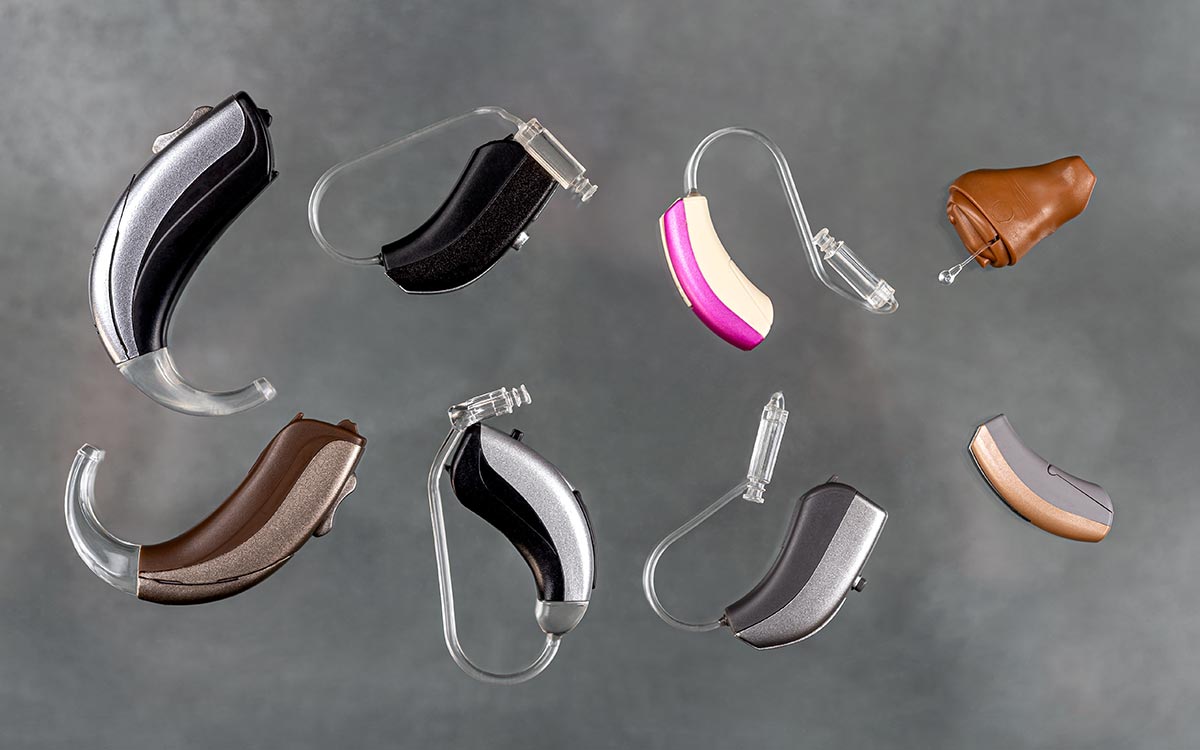
The sheer volume of hearing aid designs and technology levels on the market today can make the selection process feel complicated. However, a specialized hearing solution exists for every person’s unique needs and daily habits. The key is simply identifying the one that fits you best.
By learning about the distinctions between various hearing aid models, you can move forward with greater confidence and knowledge. We are planning to analyze the primary styles available today to help you understand what sets each option apart.
Understanding In-the-Canal (ITC) Models
Basic Overview:
These hearing aids are positioned partly inside the canal, making them visible only slightly from the outside.
The Advantages:
- Provides a subtle look compared to traditional styles
- Specifically contoured to the wearer’s ear for a better fit
- Works well for people experiencing mild hearing challenges
First-time wearers frequently lean toward ITC aids because they strike an ideal compromise between size and performance.
IIC (Invisible-in-Canal) Technology
Core Characteristics:
IIC hearing aids are the tiniest custom design available. They are inserted deep within the canal to remain hidden from view.
Why they are favored:
- The best option for patients prioritizing appearance
- Provides realistic sound because of where the device sits
- A feather-light design renders them easy to wear all day
Due to their miniature stature, these aids are generally recommended for low-to-mid-range hearing loss and users who want total invisibility.
Full and Half-Shell ITE Varieties
Product Information:
ITE devices are constructed to stay in the outer ear area, offering two different shell sizes based on your anatomy. They are custom-made to fit the contours of your ear.
Value Offering:
- A slightly larger casing houses advanced tech and more powerful batteries
- Ideal for seniors who find smaller devices hard to manipulate
- A versatile option that can address even significant levels of hearing loss
ITE models are frequently chosen by individuals who want an uncomplicated, all-in-one design without behind-the-ear components.
Behind-the-Ear (BTE) Hearing Aids
Operation:
BTE hearing aids rest securely behind the ear. Audio travels through a specialized tubing or custom-fit mold into the ear opening.
Why users select them:
- Regarded as one of the most reliable and robust designs available
- Provides a wide selection of amplification suitable for nearly any user
- The spacious casing enables high-tech extras and built-in power cells
The combination of ease of use and strong audio makes BTE aids a top contender for many patients.
Receiver-in-Canal (RIC) Hearing Aids
What they represent:
RIC hearing aids appear comparable to BTE models, but the speaker (receiver) sits inside the ear canal rather than inside the device behind the ear.
Why they are popular:
- Provides an exceptionally clear and lifelike listening experience
- Users appreciate the slim design and comfortable fit for all-day use
- RIC technology is highly flexible for various different audiogram profiles.
Thanks to their comfort and aesthetic appeal, RIC devices have become an industry standard.
Extended-Wear Device Details
Introduction:
These devices are inserted far in the ear canal by an audiology professional and can stay in place for several weeks at a time.
The Appeal:
- Perfect for wearers who want to bypass the routine of handling hearing aids daily
- They are virtually impossible for others to notice because of their depth
- Engineering allows them to remain in the ear during all facets of daily life
If you want an auditory solution that requires zero daily thought, the extended-wear style is perfect.
Bluetooth-Enabled Hearing Aids
Operation:
Bluetooth-ready hearing aids allow for a wireless digital bridge between your hearing technology and your smart devices.
Modern Perks:
- Allows for sharp voice calls and media streamed directly to the device
- Gives you the ability to adjust your volume and programs via an electronic app
- Enhances daily life by making technology interaction seamless and clear
You can locate Bluetooth capabilities built into an array of form factors, from RIC and BTE to custom ITC designs.
Alternative Implantable Solutions
Technical Definition:
Middle-ear implants are specialized tools that employ mechanical vibration to enhance hearing via the middle ear.
Why implants are used:
- Choice for those who cannot use traditional hearing aids
- Comfortable option for chronic ear issues related to traditional devices
These devices require a thorough medical review by an ear, nose, and throat expert.
Selecting Your Ideal Auditory Option
Since each hearing aid design has unique strengths, the best choice is based on your specific hearing needs, your daily activities, and your aesthetic goals. A specialist can offer the support needed to test out different styles and find the one that fits your life perfectly.
Start moving toward a world of superior sound by arranging an appointment with a hearing specialist. It’s a great first move toward better hearing and more confident communication every day.
Sources:
https://www.mayoclinic.org/diseases-conditions/hearing-loss/in-depth/hearing-aids/art-
20044116
https://www.hearinglife.com/hearing-aids/types
https://www.nidcd.nih.gov/health/hearing-aids
